The Growing Popularity of Modern Front Doors
The front door is one of the most important features of any home. It creates a first impression, contributes to energy efficiency, and most importantly, plays a crucial role in protecting a property from intruders.
Over the past two decades, there has been a significant shift away from traditional timber doors towards uPVC and composite front doors. Across the UK, homeowners are increasingly choosing these modern alternatives due to their durability, low maintenance requirements, energy efficiency and enhanced security features.
As concerns about home security continue to grow, the strength and locking systems offered by modern door designs have become a major factor in purchasing decisions.

The Rise of uPVC Front Doors
uPVC (unplasticised polyvinyl chloride) doors first gained popularity during the 1990s and early 2000s as homeowners sought a more affordable and weather-resistant alternative to traditional wooden doors.
Unlike timber, uPVC does not rot, warp or require regular painting. It can withstand years of exposure to rain, wind and sunlight with minimal maintenance.
Modern uPVC doors are also reinforced internally with galvanised steel, significantly increasing their structural strength. This reinforcement helps prevent forced entry and improves the overall rigidity of the door.
For many homeowners, uPVC remains an attractive option due to its affordability, energy efficiency and proven durability.
Why Composite Doors Have Become the Premium Choice
While uPVC doors remain popular, composite doors have seen substantial growth in recent years and are now widely regarded as one of the most secure residential door options available.
Composite doors are constructed using multiple materials, typically including:
A solid timber or high-density foam core
Reinforced frames
Glass-reinforced plastic (GRP) outer skins
High-performance weather seals
By combining different materials, manufacturers can maximise strength, insulation and durability.
Unlike traditional wooden doors, composite doors are resistant to warping, cracking and swelling. They maintain their appearance and performance even after years of exposure to changing weather conditions.
Many manufacturers offer guarantees of 10 years or more, with some composite doors expected to remain functional for several decades when properly maintained.
Strength and Durability Matter
One of the key reasons homeowners are upgrading their front doors is improved resilience against both environmental conditions and criminal attack.
Traditional timber doors can weaken over time through moisture ingress, warping or deterioration around locking points. Older doors may also become vulnerable due to wear and tear on hinges, frames and locking mechanisms.
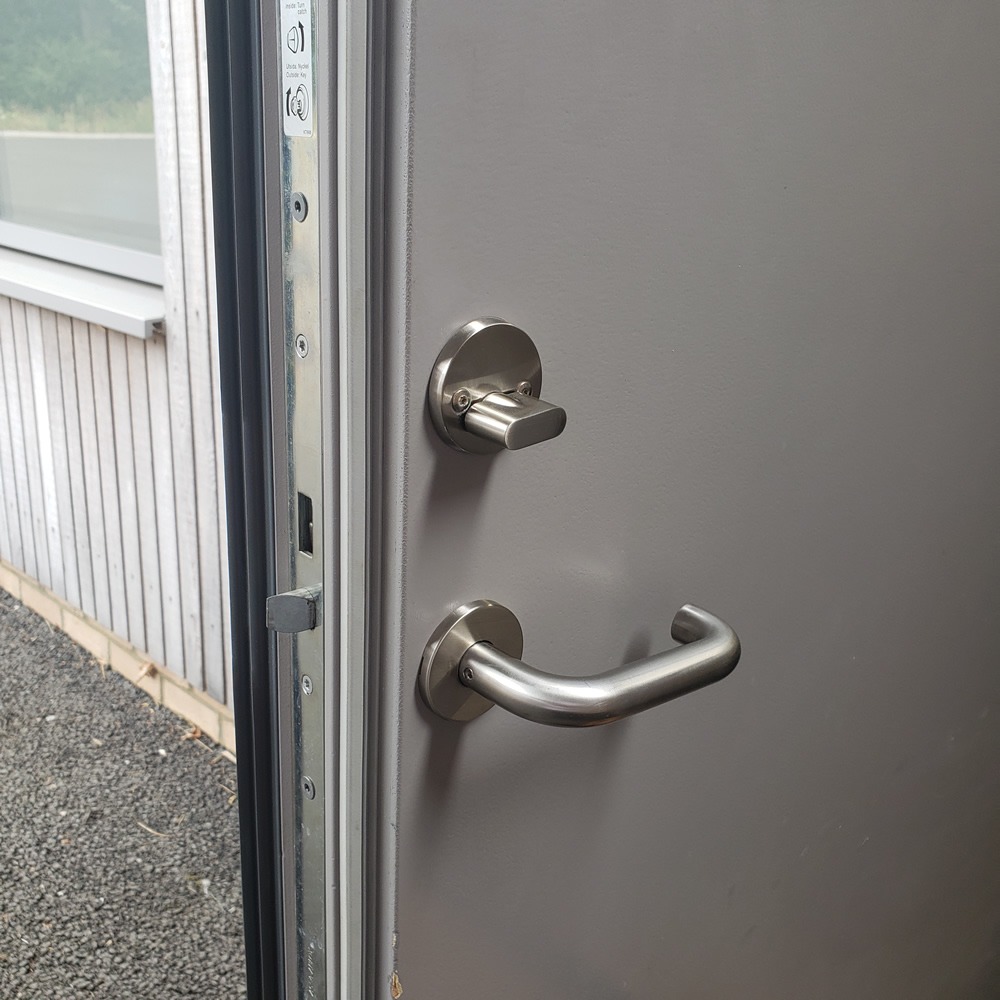
Modern uPVC and composite doors are designed to address these weaknesses.
Composite doors in particular offer exceptional impact resistance due to their solid construction. Their reinforced cores make them considerably more difficult to force open than many older timber doors.
The durability benefits include:
Resistance to warping and twisting
Improved weather resistance
Reduced maintenance requirements
Longer operational lifespan
Better thermal performance
Greater structural stability
For homeowners looking for a long-term investment, these advantages make modern door systems highly attractive.
Security Has Become a Major Selling Point
Security is often the primary reason homeowners choose to replace an ageing front door.
Many burglaries still occur through the front or rear entrance of a property, particularly where outdated locks or weak door structures are present.
Modern uPVC and composite doors are typically fitted with advanced locking systems that significantly improve security.
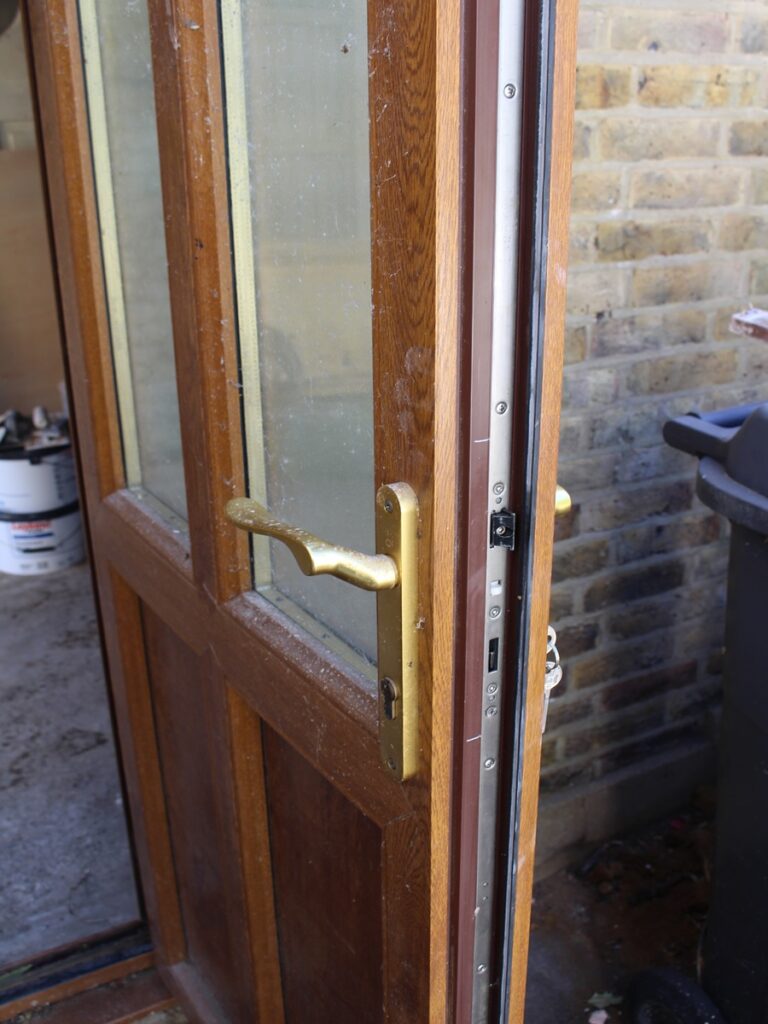
Multi-Point Locking Systems
Unlike older doors that may rely on a single lock, modern doors often utilise multi-point locking mechanisms.
When the handle is lifted or the key is turned, multiple locking points engage simultaneously along the length of the door frame.
These additional locking points make it considerably more difficult for intruders to force the door open.
Anti-Snap Cylinders
Lock snapping remains a common method used by burglars to gain entry to properties fitted with older euro cylinder locks.
Modern anti-snap cylinders are specifically designed to resist this attack method, helping to protect the locking mechanism even when significant force is applied.
Reinforced Door Frames
A strong lock is only as effective as the frame surrounding it.
Many modern door systems feature reinforced frames that help prevent splitting, spreading or distortion during attempted forced entry.
Security Accreditation
Many premium uPVC and composite doors are tested against recognised security standards such as PAS 24 and Secured by Design requirements.
These standards assess resistance to various attack methods and provide reassurance that the door has undergone independent security testing.
Energy Efficiency and Comfort
While security is a major consideration, homeowners also appreciate the energy-saving benefits offered by modern doors.
Improved insulation helps reduce heat loss, contributing to lower energy bills and increased comfort throughout the year.
Composite doors, in particular, are known for their excellent thermal performance due to their insulated core construction.
Combined with modern glazing and weather seals, they can significantly improve a home’s energy efficiency.
Choosing the Right Door
The decision between uPVC and composite often comes down to budget, appearance and security requirements.
uPVC doors offer:
Excellent value for money
Low maintenance
Good security
Strong thermal performance
Composite doors offer:
Superior strength
Premium appearance
Exceptional durability
Enhanced security features
Longer lifespan